
Should You Take Creatine? Here’s Why the Answer Is Yes
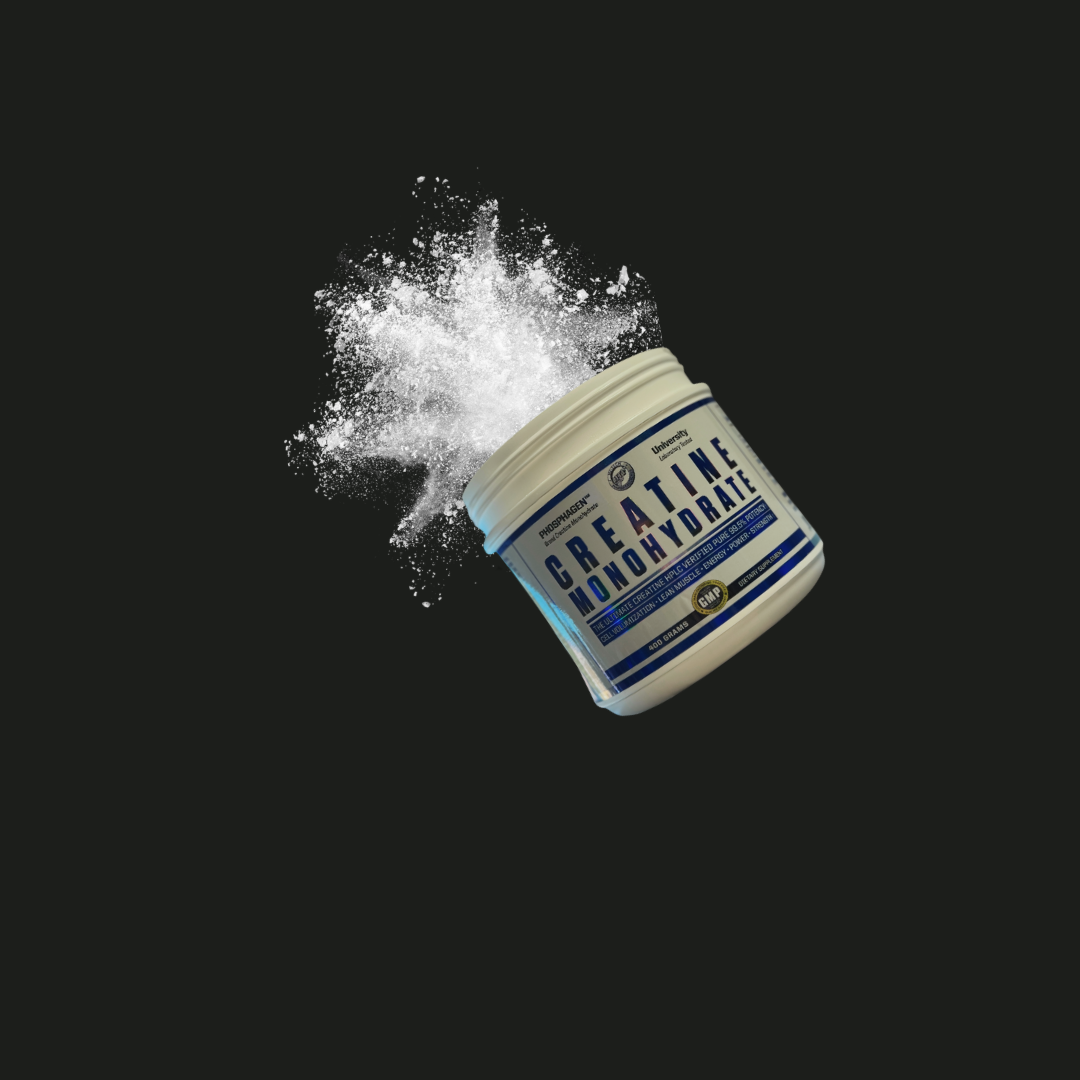
Creatine is one of the most researched and effective supplements in the world and it’s not just for athletes. Backed by decades of science, creatine supports strength, recovery, lean muscle growth, and even brain health. This article breaks down what creatine is, how it works, and the proven benefits it offers for both fitness and overall wellness. You’ll also learn the truth behind common myths, explore different types of creatine, and discover why it deserves a permanent spot in your daily routine. Whether you’re lifting weights, improving endurance, or just looking to boost energy and focus creatine delivers results.
Welcome to the era of creatine, the standout supplement of the modern age! Often hailed as the most revolutionary supplement of the 20th century, creatine is backed by extensive research proving its ability to enhance performance, aid in recovery, and improve overall health. And it’s not just for bodybuilders and athletes, creatine offers benefits for nearly everyone, regardless of their fitness level. Let’s dive into why creatine should be a staple in your supplement regimen.
What is Creatine?
Creatine is a compound that helps produce energy during high-intensity exercise by increasing the availability of ATP (adenosine triphosphate), the primary energy carrier in cells. It's found naturally in meat and fish, but most people don't get enough through diet alone, making supplementation a practical option.
Benefits of Creatine
1. Improved Strength and Power Output: Numerous studies have demonstrated that creatine supplementation can significantly increase muscle strength and power. This makes it indispensable for those looking to enhance their performance in the gym.
2. Enhanced Muscular Recovery: Creatine aids in faster recovery post-exercise, reducing muscle soreness and allowing for more frequent and intense training sessions.
3. Better Body Composition: Regular creatine use has been shown to increase lean muscle mass and reduce fat mass, contributing to a more favorable body composition.
4. Increased Training Volume: By boosting energy levels, creatine enables individuals to train harder and longer, leading to greater gains over time.
5. Reduced Inflammation and Cell Damage: Creatine has anti-inflammatory properties that help reduce muscle damage and inflammation caused by strenuous exercise.
6. Enhanced Cognitive Function: Some research suggests that creatine may support brain health, improving memory and overall cognitive function. This is especially beneficial during high-intensity mental tasks or periods of sleep deprivation.
7. Bone Health Support: Emerging studies indicate that creatine might play a role in improving bone density, potentially aiding in the prevention of osteoporosis.
8. Better Hydration: Creatine helps draw water into muscle cells, ensuring better hydration and possibly contributing to muscle fullness and growth.
9. Improved Anaerobic Capacity: Creatine supplementation has been shown to improve performance in high-intensity, short-duration activities, such as sprinting and weightlifting, enhancing overall anaerobic capacity.
Debunking Common Myths
Despite its proven benefits, creatine has been the subject of various myths and misconceptions. Here, we address some of the most common:
Myth 1: Creatine Causes Kidney Damage
This is perhaps the most pervasive myth. Extensive research has shown that creatine is safe for healthy individuals when taken as recommended. A study published in the "Journal of the International Society of Sports Nutrition" found no adverse effects on kidney function in healthy participants using creatine over long periods.
Myth 2: Creatine Causes Dehydration and Muscle Cramps
Contrary to popular belief, creatine can actually improve muscle hydration. Proper hydration practices should be followed, but creatine itself does not cause dehydration or cramps.
Myth 3: Creatine is a Steroid
Creatine is not a steroid. It is a naturally occurring compound in the body and is completely legal and safe for use. Unlike steroids, creatine does not interfere with hormone levels.
Myth 4: Creatine is Only for Men
Women can and do benefit from creatine just as much as men. It supports muscle growth, recovery, and overall performance, making it a valuable supplement for anyone looking to enhance their fitness routine.
Myth 5: Creatine Causes Unhealthy Weight Gain
While creatine can cause an increase in water retention in muscles, this is often mistaken for fat gain. The weight gain is typically due to increased muscle mass and improved performance.
Different Types of Creatine Supplements
1. Creatine Monohydrate: The most researched and widely used form of creatine. It’s highly effective and affordable.
2. Creatine HCL: Known for its better solubility and absorption, requiring a smaller dose compared to monohydrate.
3. Buffered Creatine (Kre-Alkalyn): Claims to have a more stable pH balance, reducing the breakdown of creatine in the stomach and improving effectiveness.
4. Creatine Ethyl Ester: Marketed as having superior absorption, though research on its effectiveness is limited compared to monohydrate.
5. Creatine Nitrate: A form of creatine bonded with nitrate, purportedly increasing vascularity and enhancing muscle pumps.
Conclusion
Creatine's extensive benefits make it a must-have supplement not just for athletes, but for anyone seeking to improve their overall health and fitness. Its ability to boost strength, enhance recovery, and support cognitive function, among other benefits, is backed by solid scientific evidence. By debunking common myths, we hope to highlight the safety and efficacy of creatine for a broader audience. Whether you're a seasoned athlete or just starting your fitness journey, creatine can be a valuable tool in your arsenal.
Comments
Be the first to comment...